6 Tips for small space vegetable gardening.
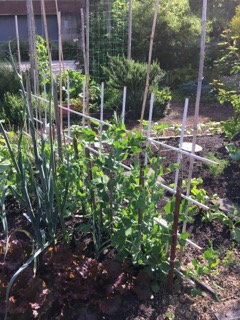
My tips for small space vegetable gardening. Do you live in a small space?
We can all grow and enjoy our own fresh vegetables no matter where we live. You can use a balcony, window ledge, porch or even a rooftop to grow some excellent veggies. My best advice for a small space is to grow what you most love to eat.
Here are some tips for small space vegetable gardening:
1. Emphasize vertical crops
Some crops do very well when trained to grow upward. Some to try are snow peas, shelling peas, pole beans, cucumbers, tomatoes, and squash. Check out different ways I stake my veggies.
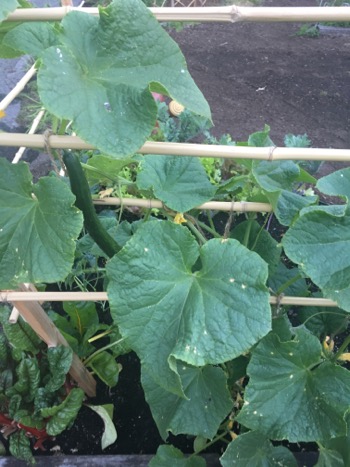
2. Interplant fast and slow growing vegetables.
Some plants grow more rapidly than others and are good companion plants.
Plant radishes and lettuces together; you will be picking your radishes before your lettuce is mature leaving more room for it to grow.
Plant spinach with beets, you can harvest baby spinach and baby beet leaves early for your salads, then leaving space for the beetroot to mature.
3. Plant an early crop and a late crop in the same space.
Some vegetables grow better in the cooler spring or fall, whereas others need the summer heat to grow their best.
Plant snow peas in the early spring then once they start dying back plant your fall crop of cabbage or broccoli.
Plant lettuces then once they are harvested plant pepper plants, or baby carrots then use the space for beans.
4. Avoid planting too much of a large growing vegetable.
Winter squashes and zucchini can take up a lot of garden space; up to 4 square feet for each plant. 1 or 2 plants are usually plenty for a small family and especially if you have a small space.
5. Choose dwarf or small size vegetable varieties.
There are more and more dwarf varieties showing up in seed catalogs. If you have a small space try some smaller plants.
Cherry tomatoes produce more fruit per plant than a beefsteak tomato. The same with small-fruited peppers, you get more on your plant than growing regular pepper plants.
6. Grow perpetual vegetables.
When all you have is a small space, grow vegetables that you can harvest all year round or at least for an extended season. Some vegetables keep producing all summer if you harvest the side leaves regularly.
Swiss chard, kale and oriental greens are good vegetables to grow for this kind of harvest. Other choices for harvesting over a long season are chives, scallions, parsley and other perennial herbs such as rosemary, thyme and oregano.
Just remember even if all you have is a small spot you can grow something edible. Something as small as growing a parsley plant in your kitchen window is an edible treat for your dinner. Learn more about growing in
containers.
Return from Small Space Vegetable Gardening to Vegetable Gardening Tips
